

Introduction to Tarta de Acelga
Argentine cuisine is full of comforting dishes that combine simple ingredients with wonderful flavors. Among its most popular homemade meals is tarta de acelga, a savory Swiss chard tart traditionally prepared with fresh vegetables, eggs, cheese, and a golden pastry crust. It is a satisfying dish that can be enjoyed for lunch, dinner, or even as a quick afternoon meal.
People searching for the best tarta de acelga near me are often looking for more than an ordinary vegetable pie. They want a freshly prepared tart with tender greens, a flavorful filling, perfectly balanced seasoning, and a crisp pastry that holds everything together. Whether served warm from the oven or enjoyed at room temperature, this traditional Argentine favorite offers a delicious combination of texture, nutrition, and homemade comfort.
Tarta de acelga is particularly popular in Argentina because it fits naturally into everyday eating habits. It is affordable, versatile, and easy to adapt to different preferences. Some versions include ricotta or mozzarella, while others use onions, garlic, and grated cheese to create a richer filling. Its simplicity is one of the reasons it remains a favorite in family kitchens, neighborhood bakeries, and traditional restaurants.
What Is Tarta de Acelga?
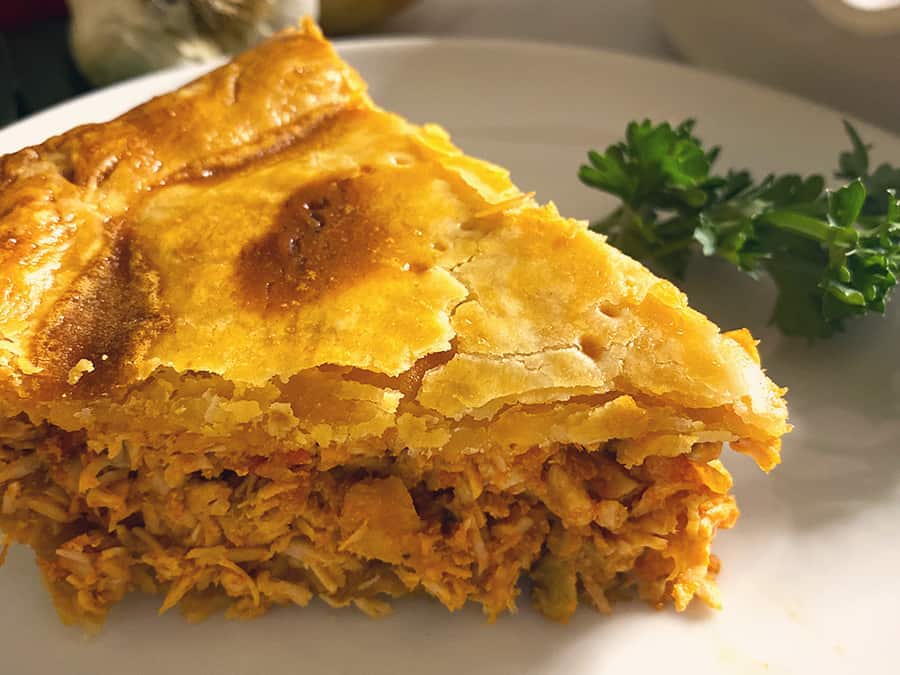
Tarta de acelga is a traditional savory tart made with acelga, the Spanish word for Swiss chard. It usually features a pastry base filled with cooked Swiss chard, eggs, onions, cheese, and seasonings. The filling is placed inside a round or rectangular pastry shell and baked until the crust becomes golden and the center is firm.
Unlike some vegetable pies that rely heavily on cream or thick sauces, this Argentine tart allows the natural flavor of Swiss chard to remain noticeable. The vegetables provide an earthy taste, while cheese contributes richness and eggs help bind the filling together.
The dish is closely associated with home cooking in Argentina. Families often prepare it using ingredients already available in their kitchens, making it a practical choice for everyday meals. It can be served with a fresh salad, roasted vegetables, or simply enjoyed on its own.
Another appealing feature is its flexibility. Traditional recipes may use homemade pastry, but store-bought dough is also common. Some cooks prepare a covered tart with pastry on both the top and bottom, while others leave the filling exposed under a single crust.
Why Tarta de Acelga Is So Popular in Argentina
Argentine food culture includes many savory tarts, commonly known as tartas saladas. These dishes are especially convenient because they can be prepared in advance, transported easily, and served either hot or cold. Tarta de acelga is one of the most recognizable vegetable varieties.
Its popularity comes partly from its affordability. Swiss chard is generally an accessible vegetable, and the other ingredients are familiar household staples. A small amount of cheese, a few eggs, and basic seasonings can transform fresh greens into a filling meal.
The dish also appeals to people who want to include more vegetables in their everyday diet without sacrificing flavor. The combination of cheese, onions, and pastry makes leafy greens more enjoyable, especially for people who do not usually choose vegetables as their main meal.
As one might say in an Argentine family kitchen, “A good homemade tart turns simple ingredients into something everyone wants to share.” This reflects the spirit of the dish: uncomplicated cooking, familiar flavors, and food made to bring people together.
Traditional Ingredients That Make the Perfect Tart
The quality of tarta de acelga depends on the freshness of its ingredients and the balance between the vegetable filling and pastry. Although recipes differ from one household to another, several ingredients are commonly used.
Swiss chard is the central ingredient. Fresh leaves provide a mild earthy flavor, while their tender texture works beautifully in a baked filling. The stems can also be included after being chopped and cooked until soft.
Onions add sweetness and depth. They are usually sautéed before being combined with the greens. Garlic is another popular addition, although some traditional recipes use it sparingly to avoid overpowering the vegetable flavor.
Eggs help hold the filling together and give the tart a satisfying texture. Cheese adds creaminess and a slightly salty taste. Ricotta, mozzarella, and grated Parmesan-style cheeses are all suitable choices, depending on the desired result.
| Ingredient | Purpose in the tart | Flavor contribution |
|---|---|---|
| Swiss chard | Main filling | Earthy and mildly sweet |
| Eggs | Bind the filling | Rich and delicate |
| Onion | Adds moisture and flavor | Naturally sweet |
| Garlic | Enhances seasoning | Aromatic and savory |
| Ricotta | Creates a creamy texture | Mild and smooth |
| Mozzarella | Adds richness | Soft and milky |
| Parmesan-style cheese | Improves flavor depth | Salty and savory |
| Pastry dough | Holds the filling | Buttery and crisp |
| Nutmeg | Optional seasoning | Warm and aromatic |
The best recipes do not necessarily require expensive ingredients. Fresh produce, good-quality cheese, and properly prepared pastry are more important than using a long list of additions.
What Makes the Best Tarta de Acelga Near Me Worth Trying?
Finding a delicious vegetable tart involves paying attention to several details. A well-made version should have a crisp pastry, a moist but not watery filling, and a balanced combination of vegetables and cheese.
Freshness is one of the most important factors. Swiss chard should have a clean appearance and pleasant vegetable aroma. If the greens are overcooked or poorly stored, the filling can lose its natural flavor and become unpleasantly soft.
The pastry also deserves attention. A good crust should be firm enough to support the filling without becoming dry or excessively thick. When baked properly, it develops a light golden color and a slightly crisp texture.
Cheese should complement the vegetables rather than dominate them. Too much cheese can make the tart heavy, while too little may leave the filling lacking richness. A balanced recipe allows the Swiss chard to remain the main attraction.
When evaluating the best tarta de acelga near me, consider the overall preparation, portion size, ingredient quality, and freshness. A tart made in small batches with carefully prepared vegetables can offer a noticeably better experience than one that has been sitting for hours.
Where to Find Authentic Argentine Swiss Chard Tart
Authentic tarta de acelga can often be found in Argentine restaurants, neighborhood bakeries, traditional cafés, and specialty Latin American food shops. These establishments frequently prepare savory pastries and vegetable tarts as part of their regular menus.
Argentine bakeries are particularly good places to explore because savory tartas are an important part of their food selection. Some bakeries offer individual portions, while others sell full-sized tarts that customers can take home and share.
Traditional restaurants may serve the tart as a complete meal accompanied by a side salad. This is a convenient option for people who prefer freshly plated food rather than takeaway portions.
Online searches can also help identify businesses offering this dish. Searching for the best tarta de acelga near me can reveal nearby Argentine eateries, bakeries, and Latin American food establishments. However, availability may vary, so checking the current menu before visiting is a sensible approach.
Customer reviews can provide additional information about portion sizes, pastry quality, freshness, and service. Photographs are also useful because they can reveal whether the tart has a traditional pastry crust and a generous vegetable filling.
How Tarta de Acelga Is Traditionally Prepared
Preparing tarta de acelga begins with washing the Swiss chard thoroughly. Any damaged leaves should be removed, and the remaining vegetables should be chopped into manageable pieces. The stems can be separated from the leaves because they generally require slightly longer cooking.
The vegetables are cooked until tender, either by steaming or briefly boiling them. Once cooked, they must be drained thoroughly. This step is essential because excess moisture can make the pastry soggy and prevent the filling from setting properly.
Meanwhile, onions are sautéed in a little oil until soft and lightly golden. Garlic can be added for additional flavor. The cooked Swiss chard is then combined with the onions, eggs, cheese, salt, pepper, and optional nutmeg.
The pastry dough is placed inside a greased baking dish, with enough dough extending along the sides to contain the filling. The vegetable mixture is spread evenly over the base. Depending on the recipe, another layer of pastry may be added on top.
The tart is baked in a preheated oven until the pastry becomes golden and the filling is fully cooked. Allowing it to rest briefly before cutting helps the slices maintain their shape.
A traditional cook might describe the ideal result as “a crisp crust surrounding a tender, well-seasoned vegetable filling.” That simple description captures exactly what makes this dish enjoyable.
Different Varieties of Tarta de Acelga
Although the traditional recipe is already delicious, different versions provide opportunities to enjoy new flavors and textures. Argentine households frequently adapt the filling according to personal preferences and available ingredients.
Tarta de acelga con ricota
This version combines Swiss chard with ricotta cheese. The result is a softer, creamier filling with a mild flavor. Ricotta works particularly well for people who prefer a delicate vegetable tart rather than one with a strong cheese taste.
Tarta de acelga y mozzarella
Mozzarella creates a richer filling with a pleasant melted texture. It is especially appealing when the tart is served warm because the cheese becomes soft and slightly stretchy.
Tarta de acelga con cebolla
Onions play a central role in this variety. Their natural sweetness balances the earthy flavor of Swiss chard and gives the filling additional depth without requiring many ingredients.
Tarta de acelga con queso parmesano
Grated Parmesan-style cheese contributes a stronger, saltier flavor. A small quantity can make the vegetable filling taste more complex without overwhelming it.
Tarta de acelga sin tapa
Some recipes use pastry only on the bottom, leaving the filling exposed. This creates a lighter-looking tart with a more prominent vegetable topping and a slightly different texture.
Each variety offers something different, but the essential combination of Swiss chard, seasoning, and pastry remains the foundation.
Nutritional Benefits of Swiss Chard Tart
Swiss chard is a leafy green vegetable that contributes several important nutrients to everyday meals. It contains dietary fiber, vitamin K, vitamin A precursors, vitamin C, and minerals such as magnesium and potassium.
Because tarta de acelga includes eggs and cheese, it also provides protein and calcium. The exact nutritional value depends on the ingredients, portion size, and cooking method.
The pastry contributes carbohydrates and fats, while the vegetable filling adds fiber and micronutrients. For people looking to create a more balanced meal, pairing a slice with a fresh salad can provide additional vegetables without making lunch or dinner overly heavy.
It is important to remember that nutritional content varies considerably between recipes. A tart made with generous amounts of cheese and buttery pastry will generally have a different nutritional profile from one prepared with lighter dough and a vegetable-focused filling.
| Nutritional component | Main ingredient source | Potential benefit |
|---|---|---|
| Vitamin K | Swiss chard | Supports normal blood clotting and bone health |
| Vitamin A precursors | Swiss chard | Support normal vision and immune function |
| Vitamin C | Swiss chard | Supports normal immune function |
| Fiber | Swiss chard and other vegetables | Supports digestive health |
| Protein | Eggs and cheese | Helps maintain and repair body tissues |
| Calcium | Cheese | Supports bones and teeth |
| Carbohydrates | Pastry | Provides energy |
Best Ways to Serve Tarta de Acelga
One reason this tart remains popular is that it can be served in several different ways. Its flavor is versatile enough to complement fresh vegetables, light sauces, and traditional Argentine side dishes.
For lunch, a slice can be paired with a tomato and lettuce salad dressed with olive oil and lemon juice. The freshness of the salad balances the richness of the pastry and cheese.
For dinner, roasted vegetables or a simple cucumber salad make suitable accompaniments. These sides add variety while allowing the tart to remain the main part of the meal.
Tarta de acelga is also suitable for packed lunches and picnics. Once cooled, it can be sliced into portions and stored safely in a suitable container. Its structure makes it easier to transport than many other vegetable dishes.
Some people prefer it warm because the cheese becomes soft and the filling releases its aroma. Others enjoy it at room temperature, when the flavors have had time to settle and the slices are easier to handle.
Tips for Choosing a Fresh and Delicious Tart
Not every vegetable tart offers the same quality. Paying attention to a few details can make it easier to select a satisfying meal.
Start by checking the pastry. It should have a golden appearance without looking excessively dark, burnt, or greasy. A soggy bottom crust may indicate that the filling contained too much moisture or that the tart was not baked properly.
Next, consider the filling. Swiss chard should be evenly distributed rather than concentrated in only a few sections. The filling should look moist and cohesive, not watery or excessively dry.
The smell is another useful indicator. Freshly baked pastry and vegetables should have a pleasant savory aroma. An unusual or sour smell is a reason to avoid the product.
When ordering from a restaurant or bakery, ask about the preparation time and whether the tart is made fresh. Establishments that prepare their savory tarts regularly may offer better texture and freshness.
People searching for the best tarta de acelga near me should also consider customer feedback. Reviews mentioning fresh ingredients, homemade pastry, generous fillings, and consistent quality can help identify promising establishments.
Homemade Tarta de Acelga Versus Restaurant Versions
Both homemade and restaurant versions have their advantages. Homemade tarta de acelga offers complete control over ingredients, seasoning, and portion sizes. It also allows cooks to adjust the recipe according to dietary preferences and family traditions.
Preparing the dish at home can be economical, especially when Swiss chard is purchased in season. Leftover vegetables and small quantities of cheese can also be incorporated into the filling, helping reduce food waste.
Restaurant versions offer convenience. They are particularly useful when someone wants to enjoy traditional Argentine food without spending time washing vegetables, preparing pastry, and baking.
Specialty bakeries may provide additional variety, including individual portions and different cheese combinations. Restaurants may offer larger servings accompanied by salads or other side dishes.
The ideal choice depends on the occasion. Homemade versions are excellent for family meals, while restaurants and bakeries provide an easy way to enjoy the dish when time is limited.
How to Store and Reheat Tarta de Acelga
Proper storage helps maintain the texture and flavor of leftover tart. Once cooked, it should not be left at room temperature for extended periods. Refrigerate leftovers within two hours, placing them in an airtight container or wrapping them securely.
Refrigerated portions are generally best consumed within three to four days. If a larger quantity has been prepared, individual slices can be frozen in suitable freezer-safe packaging.
For reheating, an oven or air fryer is usually preferable because it helps restore the crispness of the pastry. Heat individual portions until the center is thoroughly hot.
A microwave is convenient for quick reheating, although it may soften the crust. Placing the slice on a suitable microwave-safe plate and heating it in short intervals can help prevent overheating.
Avoid repeatedly reheating the same portion. Taking out only the amount needed helps preserve quality and reduces unnecessary food waste.
Why This Argentine Tart Is Perfect for Everyday Meals
Tarta de acelga represents the practical side of Argentine home cooking. It uses familiar ingredients, does not require complicated techniques, and can feed several people without an expensive shopping list.
Its flexibility makes it suitable for different occasions. It can be served as a light lunch, a filling dinner, a picnic dish, or a convenient meal prepared ahead of time.
It also offers an appealing way to introduce leafy vegetables into family meals. Children and adults who are not particularly enthusiastic about Swiss chard may find it more enjoyable when combined with eggs, cheese, onions, and pastry.
The dish is equally suitable for casual gatherings. A large tart can be cut into small squares and served as part of a buffet or shared meal.
For anyone exploring Argentine food, this savory vegetable tart provides a delicious introduction to the country’s everyday culinary traditions.
Frequently Asked Questions About Tarta de Acelga
What is tarta de acelga made of?
Tarta de acelga is traditionally made with Swiss chard, eggs, onions, cheese, seasonings, and pastry dough. Some recipes also include garlic, ricotta, mozzarella, or nutmeg. The ingredients are combined to create a savory filling that is baked inside a pastry crust.
Is tarta de acelga a traditional Argentine dish?
Yes. Tarta de acelga is a popular homemade dish in Argentina and belongs to the broader tradition of savory vegetable tarts. It is commonly prepared for lunch and dinner and can be found in bakeries, cafés, and restaurants specializing in Argentine food.
Where can I find the best tarta de acelga near me?
You can look for Argentine restaurants, Latin American bakeries, and specialty food shops that serve homemade savory tarts. Online restaurant listings, customer reviews, and current menus can help you identify nearby establishments offering fresh Swiss chard tart.
Can tarta de acelga be eaten cold?
Yes. Tarta de acelga can be enjoyed warm, at room temperature, or cold after proper refrigeration. Many people prefer it at room temperature because the filling becomes firm and the flavors are easier to appreciate.
Is tarta de acelga healthy?
It can be part of a balanced diet. Swiss chard provides fiber and several vitamins and minerals, while eggs and cheese contribute protein and calcium. However, the overall nutritional value depends on the quantity of cheese, pastry, and other ingredients used.
Can I make tarta de acelga without cheese?
Yes. Cheese is common but not essential. You can prepare the filling using Swiss chard, eggs, onions, garlic, and seasonings. The result will have a lighter flavor and less richness than traditional cheese-based versions.
What cheese works best in tarta de acelga?
Ricotta, mozzarella, and Parmesan-style cheese are popular choices. Ricotta creates a creamy filling, mozzarella provides a soft melted texture, and Parmesan-style cheese adds a stronger savory flavor. Combining two types can also produce a balanced result.
How long does homemade tarta de acelga last?
When refrigerated promptly in an airtight container, cooked tarta de acelga generally keeps for three to four days. It can also be frozen for longer storage. Always reheat leftovers thoroughly before serving.
Can tarta de acelga be frozen?
Yes. Allow the tart to cool, divide it into individual portions, and place the portions in freezer-safe containers or wrapping. Thaw safely in the refrigerator and reheat until thoroughly hot. The pastry texture may change slightly after freezing.
What is the difference between tarta de acelga and spinach pie?
The main difference is the leafy vegetable used. Tarta de acelga features Swiss chard, which has a mild earthy flavor and edible stems. Spinach pie uses spinach, which generally has a softer texture and a somewhat different taste. Both can include eggs, cheese, onions, and pastry.
Conclusion
Tarta de acelga is a wonderful example of how simple ingredients can create a satisfying and memorable meal. With its tender Swiss chard filling, flavorful cheese, aromatic onions, and golden pastry crust, this traditional Argentine tart continues to hold an important place in everyday cooking.
Its versatility makes it suitable for lunch, dinner, family gatherings, and convenient takeaway meals. Whether prepared at home or purchased from a traditional Argentine bakery, it offers a delicious combination of vegetables and comforting flavors.
Finding the best tarta de acelga near me becomes easier when you focus on freshness, pastry quality, balanced seasoning, and authentic preparation. Exploring local Argentine restaurants and bakeries can introduce you to different versions of this classic dish.
Ultimately, tarta de acelga is more than a savory vegetable pie. It represents the warmth of homemade Argentine food, where fresh ingredients, traditional techniques, and simple flavors come together to create something worth enjoying.


One thought on “Best Tarta de Acelga Near Me: Discover the Delicious Taste of Argentine Swiss Chard Tart”