
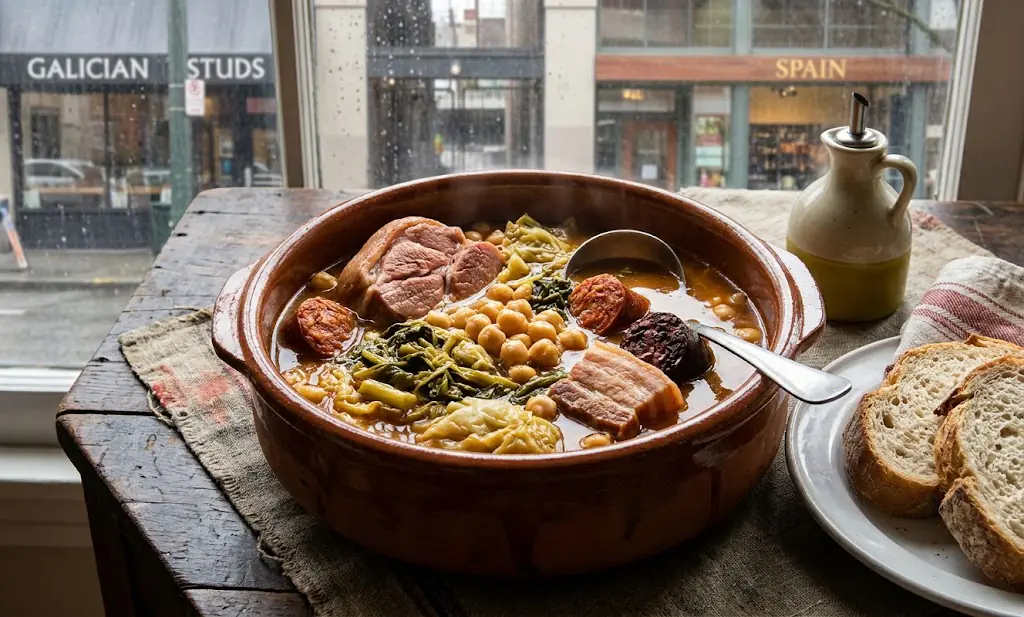
Finding the best cocido gallego near me is an excellent way to experience one of Spain’s most beloved traditional dishes. Originating in Galicia, a region in northwestern Spain, Cocido Gallego is a rich, satisfying stew made with different cuts of meat, pork products, chickpeas, potatoes, and seasonal vegetables. It represents the warmth of traditional Spanish cooking, where simple ingredients are slowly transformed into a memorable meal.
Unlike lighter Spanish dishes, this hearty Galician stew is designed to be filling and comforting. Its ingredients cook together over a long period, allowing their flavors to develop naturally. The result is a delicious combination of tender meat, soft vegetables, flavorful chickpeas, and aromatic broth.
Whether you are discovering Galician cuisine for the first time or already appreciate traditional Spanish food, Cocido Gallego offers something special. It is more than a meal; it is a culinary tradition connected to family gatherings, regional identity, and generations of home cooking.
What Is Cocido Gallego?
Cocido Gallego is a traditional Galician stew prepared with a combination of pork, beef, chickpeas, potatoes, cabbage, and other regional ingredients. Recipes vary between households and villages, but the central idea remains the same: creating a substantial meal from carefully selected ingredients cooked slowly until everything becomes tender and flavorful.
One of the defining characteristics of this dish is its variety. A traditional preparation may include pork shoulder, pork ribs, chorizo, lacón (cured pork shoulder), beef, and sometimes chicken. These ingredients contribute different textures and flavors to the cooking liquid.
The vegetables provide balance, while chickpeas add substance and a pleasant texture. Potatoes absorb the savory broth, making every bite satisfying. Some families also include grelos, a traditional Galician leafy green that gives the stew a slightly earthy and distinctive taste.
Cocido Gallego is often served in separate courses. The broth may be enjoyed first, followed by the chickpeas and vegetables, and finally the selection of meats. This serving style allows diners to appreciate every component individually.
Why People Search for the Best Cocido Gallego Near Me
Food lovers increasingly search for regional dishes that offer something beyond ordinary restaurant meals. Cocido Gallego fits this preference because it combines traditional ingredients, slow cooking, and authentic Spanish culinary heritage.
Searching for the best cocido gallego near me can help diners discover Spanish restaurants, Galician food establishments, and traditional European kitchens that prepare regional specialties. However, not every restaurant follows the same recipe or cooking method.
Authenticity is an important consideration. A restaurant that uses quality pork, properly prepared chickpeas, fresh vegetables, and a carefully developed broth is more likely to deliver the traditional experience.
Another reason people enjoy this dish is its generous presentation. Cocido Gallego is commonly associated with sharing, making it suitable for family lunches, weekend gatherings, and relaxed meals with friends.
As one might say at a traditional Galician table, “Good cocido is not rushed; its flavor comes from time, patience, and ingredients that belong together.”
Traditional Ingredients That Make Cocido Gallego Special
The distinctive flavor of Cocido Gallego comes from the combination of ingredients rather than one particular seasoning. Each component contributes something important to the final dish.
| Ingredient | Role in the Dish | Flavor Contribution |
|---|---|---|
| Lacón | Traditional cured pork shoulder | Salty, rich, and savory |
| Chorizo | Spanish cured sausage | Smoky, spicy, and aromatic |
| Pork ribs | Adds meat and richness | Deep, meaty flavor |
| Beef | Provides additional protein | Robust and savory |
| Chickpeas | Main legume component | Nutty and earthy |
| Potatoes | Adds texture and substance | Mild and comforting |
| Grelos or cabbage | Provides vegetables | Fresh and slightly bitter |
| Pork fat or other pork cuts | Enriches the broth | Full-bodied and hearty |
Pork and Cured Meats
Pork is one of the most important ingredients in traditional Galician cooking. Lacón, pork ribs, and other cuts contribute the characteristic richness associated with Cocido Gallego.
Cured pork products require careful preparation because their saltiness can influence the entire cooking liquid. Depending on the ingredient, soaking before cooking may be necessary to achieve a balanced flavor.
Chorizo adds another dimension. Its paprika seasoning provides color, aroma, and a recognizable Spanish character without requiring complicated spices.
Chickpeas and Vegetables
Chickpeas are essential to the texture and nutritional character of the stew. They become tender during slow cooking while retaining enough structure to complement the meat and vegetables.
Potatoes are another important component. They absorb some of the broth’s flavor and create a soft, satisfying contrast with the meat.
Grelos are especially significant in Galicia. These leafy greens are associated with the region’s agricultural traditions and provide a slightly bitter taste that balances the richness of the pork.
The History and Cultural Importance of Cocido Gallego
Galician cuisine developed around local agriculture, livestock farming, seasonal vegetables, and the practical cooking traditions of rural households. Cocido Gallego reflects these influences through its use of preserved meats, legumes, and vegetables.
Historically, rural families relied on ingredients that were locally available and could provide nourishment during colder months. Pork was particularly important because traditional home production and preservation made different cuts available throughout the year.
Slow-cooked stews were practical because they allowed several ingredients to cook together in one pot. Families could prepare a substantial meal without requiring complicated equipment or expensive seasonings.
Over time, Cocido Gallego became closely associated with celebrations, winter gatherings, and communal dining. It remains an important part of regional food culture, particularly in places where traditional recipes are still passed from one generation to another.
The dish also reflects Galicia’s broader culinary identity, which values quality ingredients, regional produce, and straightforward preparation.
How Traditional Cocido Gallego Is Prepared
Preparing authentic Cocido Gallego requires patience. Although the ingredients are relatively simple, the cooking process makes a significant difference to the final result.
The first stage involves preparing the meats and legumes. Dried chickpeas are usually soaked overnight, while heavily salted pork products may need soaking to reduce excess salt.
The meats are then simmered in water until they begin releasing their flavor. Cooking times depend on the size and type of each cut. Tougher pieces require more time, while vegetables and more delicate ingredients are generally added later.
Chickpeas can be cooked in the same pot or separately, depending on the family recipe and desired texture. Potatoes and greens are added when appropriate so they become tender without falling apart.
The cooking liquid gradually develops a rich, savory character. Some cooks use this broth to prepare a simple soup with small pasta or noodles, creating a traditional first course.
A successful cocido should have tender meat, properly cooked chickpeas, vegetables that retain their identity, and a broth that tastes rich without becoming excessively salty or greasy.
What Makes a Restaurant’s Cocido Gallego Authentic?
When looking for an authentic Galician meal, the quality of preparation matters just as much as the ingredients. A restaurant may use traditional components but still produce a dish that lacks the depth associated with homemade cooking.
Look for restaurants that explain their Galician recipes, identify regional ingredients, and prepare their stews using traditional slow-cooking techniques.
Freshly prepared vegetables, properly cooked legumes, and tender meat are useful indicators of quality. The broth should have a balanced savory taste rather than relying heavily on salt or artificial seasoning.
Portion size is another consideration. Traditional Cocido Gallego is a substantial meal, so restaurants often serve generous portions or present the components separately.
Customer reviews can also provide helpful information. Pay attention to comments about flavor, meat tenderness, authenticity, and consistency rather than relying exclusively on overall star ratings.
Best Ways to Enjoy Cocido Gallego
Cocido Gallego is traditionally enjoyed as a complete meal, and its different components can be appreciated in several ways.
Some diners prefer to begin with a small serving of broth. This warm, savory liquid introduces the flavors that develop during cooking and prepares the palate for the remaining ingredients.
The chickpeas and vegetables can then be enjoyed together. Their mild flavors provide a pleasant contrast to the richness of the pork and sausage.
The meats are often served afterward, allowing diners to appreciate the different cuts individually. A piece of chorizo offers a more pronounced paprika flavor, while lacón provides a distinctive cured-meat character.
Traditional bread is an excellent accompaniment because it can be used to enjoy the remaining broth. A glass of regional wine may also complement the meal, depending on personal preference.
For a more complete Galician dining experience, consider finishing with a traditional dessert such as tarta de Santiago.
Where to Find Authentic Galician Food
Finding traditional Galician food outside Spain may require a little research. Galician restaurants are less common than general Spanish restaurants, so checking menus before visiting can save time.
Start by searching for Spanish restaurants that specifically mention Galician cuisine. Restaurants specializing in northern Spanish cooking may offer Cocido Gallego as a seasonal special rather than a permanent menu item.
Specialty European restaurants and Spanish cultural establishments can also be useful places to explore. Some prepare regional dishes for weekends, festivals, and special dining events.
When searching online, use phrases such as Galician stew, traditional Spanish pork stew, Cocido Gallego, and authentic Galician cuisine. These related searches can reveal restaurants that do not necessarily use the exact English dish name.
The best cocido gallego near me should ultimately be a place that respects the traditional ingredients and cooking techniques while delivering a satisfying dining experience.
Cocido Gallego Compared With Other Spanish Stews
Spain has many traditional stews, and each region has developed its own approach to combining meat, legumes, vegetables, and broth.
Cocido Madrileño, for example, is another famous Spanish stew featuring chickpeas, meats, and vegetables. Although the two dishes share some ingredients, their regional identities and traditional preparations are different.
Fabada Asturiana is another well-known northern Spanish specialty. It is traditionally prepared with large white beans, chorizo, morcilla, and pork products, creating a rich bean-based dish.
Cocido Gallego stands out because of its characteristic use of Galician ingredients, including lacón and grelos, alongside chickpeas, potatoes, and different cuts of meat.
| Spanish Dish | Region | Main Ingredients | Main Characteristics |
|---|---|---|---|
| Cocido Gallego | Galicia | Pork, chickpeas, potatoes, greens | Hearty and varied |
| Cocido Madrileño | Madrid | Chickpeas, beef, pork, vegetables | Traditionally served in several courses |
| Fabada Asturiana | Asturias | White beans, chorizo, morcilla | Rich and bean-centered |
| Cocido Montañés | Cantabria | White beans, cabbage, pork | Thick and comforting |
| Escudella i Carn d’Olla | Catalonia | Meat, vegetables, legumes, pasta | Traditional festive stew |
These dishes demonstrate how Spanish regional cooking uses similar ingredients to create very different culinary experiences.
Nutritional Value of Cocido Gallego
Cocido Gallego contains a combination of protein, carbohydrates, fiber, vitamins, and minerals. Its nutritional profile depends on the ingredients, portion sizes, and cooking methods used.
Meat contributes protein and nutrients such as iron and vitamin B12. Chickpeas provide plant-based protein, dietary fiber, and complex carbohydrates.
Potatoes supply carbohydrates and potassium, while cabbage and grelos contribute vitamins, minerals, and additional fiber.
However, the dish can also contain considerable amounts of sodium and saturated fat, particularly when prepared with several cured pork products. Individuals monitoring their salt or fat intake may prefer smaller portions or recipes with more vegetables and leaner cuts.
A balanced serving can include moderate amounts of meat, generous vegetables, and chickpeas. The broth can also be adjusted by removing excess fat before serving.
Tips for Choosing the Best Cocido Gallego Near Me
Finding a restaurant that serves excellent Cocido Gallego involves more than checking whether the dish appears on the menu. Several details can help identify a restaurant that takes its regional cooking seriously.
Start by checking ingredient descriptions. Restaurants that mention lacón, chorizo, chickpeas, potatoes, and traditional Galician greens demonstrate a clearer connection to the original preparation.
Next, consider the cooking method. Slow-cooked stews generally develop deeper flavors because the ingredients have sufficient time to release their natural characteristics.
Look at recent customer feedback. Reviews describing tender meat, flavorful broth, generous servings, and authentic preparation can be especially useful.
It is also worth checking whether the dish is available daily or only on particular days. Because traditional Cocido Gallego requires preparation time, some restaurants serve it as a weekend specialty.
Finally, consider the complete dining experience. Good service, appropriate portions, fresh ingredients, and a welcoming atmosphere can make a traditional meal even more enjoyable.
Why Cocido Gallego Is Perfect for Family Meals
Few traditional dishes represent shared dining as naturally as Cocido Gallego. Its generous portions and variety of ingredients make it particularly suitable for family lunches and relaxed gatherings.
The dish can be served in several courses, allowing everyone to enjoy the broth, chickpeas, vegetables, and meats at their own pace. This style of dining encourages conversation and gives the meal a comfortable, unhurried atmosphere.
It is also convenient when preparing food for several people. A large pot can provide multiple servings, and the ingredients can be adjusted according to the number of guests.
For families interested in Spanish food traditions, preparing Cocido Gallego together can also be a way to explore Galician culinary heritage. Different family members can contribute to ingredient preparation, cooking, and serving.
Making Cocido Gallego at Home
Although restaurant versions can be convenient, preparing Cocido Gallego at home offers the opportunity to experience its traditional cooking process.
Start with quality ingredients. Choose suitable pork cuts, good Spanish chorizo, dried chickpeas, potatoes, and fresh vegetables. If grelos are unavailable, cabbage or another suitable leafy green can provide an alternative, although the flavor will differ.
Soak the chickpeas overnight and prepare salted meats according to their requirements. Simmer the meats gently, allowing the broth to develop gradually.
Add the chickpeas and vegetables according to their cooking times. Avoid excessive stirring because delicate ingredients can break apart during prolonged cooking.
Taste the broth before adding extra salt. Cured pork and chorizo can already contribute substantial seasoning.
Once everything is tender, arrange the ingredients for serving. Keep the broth separate if you want to follow the traditional multi-course presentation.
The secret is not complicated seasoning or elaborate techniques. It is patience, good ingredients, and careful attention to cooking times.
The Growing Appreciation of Traditional Galician Cuisine
Traditional regional food has become increasingly interesting to people who want to discover the culinary identity of different countries and cultures.
Galician cuisine offers a particularly appealing combination of seafood traditions, rural cooking, seasonal vegetables, preserved meats, and hearty stews.
Cocido Gallego represents the countryside side of this culinary identity. It demonstrates how everyday ingredients can become an exceptional meal when prepared with knowledge and care.
Spanish restaurants outside Galicia also help introduce these traditions to international diners. By offering regional specialties, they provide opportunities to experience flavors that go beyond more widely recognized Spanish dishes such as paella and tapas.
For anyone exploring northern Spanish cuisine, Cocido Gallego is an excellent dish to discover.
Conclusion
Cocido Gallego is much more than a traditional Spanish stew. It is a celebration of Galician ingredients, slow cooking, regional identity, and the pleasure of sharing a generous meal. Its combination of tender meats, chickpeas, potatoes, vegetables, and flavorful broth creates a distinctive culinary experience that has remained popular across generations.
Finding the best cocido gallego near me means looking beyond a restaurant’s name and paying attention to ingredient quality, traditional preparation, authentic flavors, and customer experiences. Whether enjoyed at a specialist Spanish restaurant or prepared at home, this comforting Galician dish offers a wonderful introduction to the food culture of northwestern Spain.
For anyone who appreciates hearty meals and authentic regional cooking, Cocido Gallego deserves a place on the dining list.
Frequently Asked Questions
What is Cocido Gallego?
Cocido Gallego is a traditional stew from Galicia in northwestern Spain. It is commonly prepared with pork, chorizo, chickpeas, potatoes, cabbage or grelos, and sometimes beef or chicken.
What meat is traditionally used in Cocido Gallego?
Traditional recipes often include lacón, pork ribs, pork shoulder, chorizo, and other pork cuts. Some versions also contain beef or chicken, depending on regional and family preferences.
Is Cocido Gallego the same as Cocido Madrileño?
No. Both are traditional Spanish stews that commonly include chickpeas and meat, but they have different regional identities, ingredients, and preparation styles. Cocido Gallego is particularly associated with lacón and Galician greens.
What vegetables are used in Cocido Gallego?
Common vegetables include potatoes, cabbage, and grelos. Grelos are traditional Galician leafy greens that provide a slightly bitter, distinctive flavor.
Is Cocido Gallego a winter dish?
It is particularly popular during colder months because it is warm, filling, and traditionally associated with winter gatherings. However, it can also be enjoyed throughout the year.
How is Cocido Gallego traditionally served?
It is often served in separate courses. The broth may come first, followed by chickpeas and vegetables, with the different meats served afterward.
Is Cocido Gallego healthy?
It provides protein, fiber, carbohydrates, vitamins, and minerals. However, its fat and sodium content can be relatively high because of cured meats. Portion size and ingredient selection influence its overall nutritional value.
Where can I find authentic Cocido Gallego?
Look for Spanish restaurants specializing in northern Spanish or Galician cuisine. Check their menus and recent reviews for traditional ingredients, slow-cooked preparation, and authentic regional recipes.
Can I make Cocido Gallego without grelos?
Yes. Cabbage is a common alternative when grelos are unavailable. The final flavor will be slightly different, but the dish can still deliver a satisfying traditional-style experience.
Why is Cocido Gallego considered a traditional Galician specialty?
It reflects Galicia’s agricultural history, local pork products, seasonal vegetables, and family cooking traditions. Its generous portions and slow preparation have made it an important part of regional food culture.


One thought on “Best Cocido Gallego Near Me: Discover the Traditional Flavors of Galicia”