
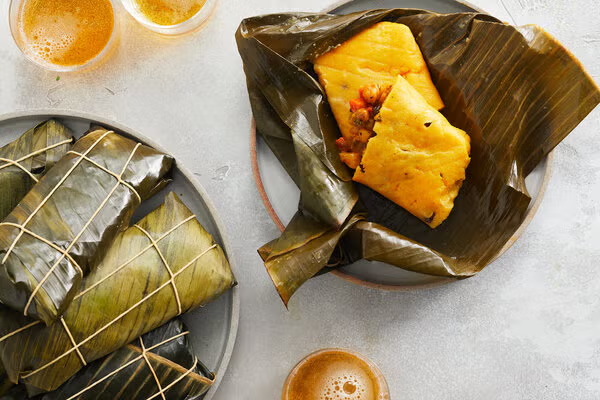
There is a moment every December when the smell of banana leaves, slow-cooked beef, and sweet-savory stew drifts through a Venezuelan home, and everyone knows exactly what is happening. Hallacas are being made. If you have ever unwrapped one, steaming and fragrant, you understand why people go hunting for them far beyond the holiday season. And if you are not lucky enough to have an abuela with a tied apron and a mountain of leaves, your search for the best hallaca near me starts to feel like a mission.
The good news is that finding a truly great hallaca is easier than it used to be. Venezuelan communities have grown across the United States, Spain, Colombia, Panama, and beyond, and with them have come bakeries, home kitchens, pop-up sellers, and family restaurants that take the tradition seriously. The tricky part is knowing which ones deserve your money. This guide walks you through what separates an average hallaca from a memorable one, where to look, what to ask, and how to enjoy the result.
What Makes a Hallaca Worth Hunting Down
A hallaca is not just a tamale with a different accent. It is a layered package of corn dough wrapped around a rich stew, then decorated with olives, capers, raisins, and sometimes roasted red pepper, before being folded into plantain or banana leaves and tied with string. Each element has a job. The dough gives structure and a gentle corn flavor, the stew brings depth, and the garnishes add little bursts of salty and sweet contrast. When all of these are balanced, a single bite feels like a full holiday table compressed into your hand.
What makes this dish special is the effort behind it. Traditional hallacas can take a whole day or longer to prepare, with families dividing tasks like an assembly line. Someone cooks the guiso, someone else colors and kneads the masa, and others wrap and tie. That communal energy is part of the flavor, and it is why a rushed, mass-produced version rarely tastes the same. When you are judging the best hallaca near me, you are really judging how much care went into every step.
A Quick Look at the History Behind the Wrap
The hallaca has roots in the colonial era, when enslaved and Indigenous cooks reportedly transformed the leftover cuts of meat from their owners’ tables into something wrapped, steamed, and shareable. Over time the dish became a symbol of Venezuelan identity, one that crossed class lines and regional borders. By the twentieth century it was firmly tied to Christmas, and today it is hard to imagine a Venezuelan December without it.
Regional pride runs deep, which is part of the fun. Families in the Andes, the coast, the plains, and Caracas all have their own opinions on the right amount of sweetness, the proper cuts of meat, and even whether chickpeas belong inside. As one familiar saying in Venezuelan kitchens goes, “Cada casa tiene su hallaca,” meaning every house has its own hallaca. Knowing this helps you shop with an open mind, because the best version for you may simply be the one that tastes most like your own memories.
Understanding the Anatomy of a Great Hallaca
Start with the guiso, the stew. A good one is made from a mix of beef, pork, and sometimes chicken, simmered with onions, sweet peppers, garlic, tomato, and a splash of wine or vinegar. The meat should be tender and shredded or finely cubed, with a glossy sauce that coats rather than drowns the filling. If the stew tastes flat or overly greasy, the hallaca will follow suit. Look for a savory base with a faint sweetness and a gentle tang that makes you want another bite.
Next comes the masa, which is usually corn flour dough enriched with broth, fat, and annatto oil, giving it that signature golden hue. The texture should be soft and slightly silky, never gummy or dry. The leaf matters too, since it perfumes the dough as it steams. A properly wrapped hallaca holds its shape when cut open, with no water pooling inside and no leaking stew. Those small details tell you a lot about the cook’s experience.
How to Spot the Best Hallaca Near Me Before You Buy
Your eyes and nose can do a lot of the work. A well-made hallaca feels firm but not hard, tightly bound with string, and carries a warm aroma of leaf and spice once heated. Avoid packages that look soggy, torn, or oddly pale, because that usually points to a rushed process or weak seasoning. If you can, ask to see one cut open. The layers should be distinct, the dough evenly colored, and the filling generous without overflowing.
Reputation is another guide. When people search for the best hallaca near me, the sellers who rise to the top tend to have loyal repeat customers, consistent reviews, and a clear story about their recipe. Look for photos that show the inside of the hallaca, not just the wrapped exterior. Comments that mention tender meat, balanced sweetness, and a proper leaf aroma are worth more than generic praise. A seller who is proud of the process will usually talk about it freely.
Where to Look: Restaurants, Bakeries, Markets, and Home Kitchens
Venezuelan restaurants are the obvious starting point, especially those that make hallacas in-house rather than buying them from a supplier. Many restaurants sell them only during the holiday season, so call ahead if you are searching in the off months. Bakeries that specialize in pan de jamón, tequeños, and cachitos often carry hallacas as well, and those shops tend to understand the entire Christmas menu that goes with them.
Beyond storefronts, some of the most beloved hallacas come from home cooks. Community Facebook groups, WhatsApp lists, church bazaars, and neighborhood markets are full of people who take pre-orders and deliver at scale. These sellers often work in small batches, which can mean exceptional quality. When you narrow down the best hallaca near me, do not overlook a home kitchen with strong word of mouth. Just make sure they follow safe food handling, and do not be shy about asking how the hallacas are stored and delivered.
Comparing Regional Styles at a Glance
Because every region puts its own spin on the dish, it helps to know what you are tasting. The table below gives a quick overview of the most common styles and what makes each one stand out. Use it as a guide when reading menus or chatting with sellers, and you will quickly find the style that suits your palate.
| Regional Style | Flavor Profile | Common Fillings | Best For |
|---|---|---|---|
| Caracas | Balanced, sweet and savory | Beef, pork, chicken, olives, capers, raisins | First-time tasters |
| Andean | Slightly tangy and earthy | Pork, chicken, chickpeas, peppers | Fans of bold, rustic flavors |
| Eastern Coast | Brighter and more seasoned | Beef, fish or seafood variations, peppers | Adventurous eaters |
| Plains (Llanos) | Hearty and smoky | Beef, pork, sometimes roasted vegetables | Meat lovers |
| Vegetarian Adaptation | Mild and herbal | Mushrooms, potatoes, carrots, olives | Plant-based diets |
None of these is the single correct version. Think of them as dialects of the same language, each one telling a slightly different story. Trying more than one style is the most enjoyable way to discover what you truly love, and it makes your search for the best hallaca near me feel more like a tasting tour than a chore.
Smart Questions to Ask the Seller
Before you order, a short conversation can save you from disappointment. Ask what meats are in the stew and whether the dough is made fresh or from a mix. Find out whether the hallacas are cooked to order or frozen, and how long they will keep. If you have allergies, ask about nuts, gluten cross-contact, and any added ingredients like wine. A confident seller will answer quickly and clearly, and that confidence is often a sign of quality.
It also helps to ask about size and weight. A hallaca can range from a petite snack to a hearty, plate-filling bundle, and prices do not always reflect the difference. Knowing the approximate portion lets you compare sellers fairly. As an old kitchen reminder says, “Lo barato sale caro,” or cheap things end up costing more. If a price looks too low to be true, the filling is probably thin.
Pricing, Pre-Orders, and Timing Your Purchase
Prices vary widely depending on the city, the ingredients, and whether the seller is a restaurant, bakery, or home cook. In general, expect to pay more for hand-wrapped hallacas with generous meat and quality garnishes. During December, demand surges and popular sellers often sell out weeks in advance. If you are determined to secure the best hallaca near me for Christmas Eve, place your order early and confirm the pickup or delivery window in writing.
Many sellers offer discounts for bulk orders, which is helpful if you are planning a family gathering. You can also buy extras and freeze them, since hallacas reheat beautifully. Ask whether the seller sells them frozen or fresh, and request clear storage instructions. A little planning turns a stressful holiday scramble into a relaxed, delicious tradition.
Reheating and Serving Like You Mean It
Reheating is where many people go wrong. The best method is to simmer the unopened hallaca in a pot of gently boiling water for about fifteen to twenty minutes, or for around thirty minutes if it is frozen. This keeps the masa moist and lets the leaf release its aroma. Microwaving works in a pinch, but wrap the hallaca in a damp paper towel first so it does not dry out. Skip the oven unless you wrap the package tightly in foil with a splash of water.
When it comes to serving, keep it simple and let the hallaca shine. Cut the string, open the leaf at the table, and eat it straight from the wrapper, never from the leaf itself since the leaf is for aroma, not for eating. Traditional companions include pan de jamón, ensalada de gallina, and a glass of ponche de crema. These sides turn a single hallaca into a full celebration, and they round out the experience that makes the dish so cherished.
Why Hallacas Matter Beyond the Plate
For many Venezuelans living abroad, a hallaca is more than dinner. It is a bridge to home, a way to share language, memory, and family history with children who may have never seen the country. Every unwrapped leaf brings back voices, laughter, and the chaos of a crowded kitchen. That emotional weight is why people care so much about finding authentic versions, and why they will drive across town for a seller who gets it right.
Supporting local makers who keep this tradition alive also strengthens the community. Small bakeries and home cooks often rely on holiday sales to sustain their year, and each order helps preserve a craft that is passed down through generations. When you choose the best hallaca near me with care, you are not only treating yourself but also helping a living tradition continue to thrive.
Conclusion
Finding a great hallaca takes a bit of curiosity, a little patience, and a willingness to ask questions. Pay attention to the stew, the masa, and the wrapping, listen to what other customers say, and try different regional styles until one feels like home. Whether you buy from a restaurant, a bakery, or a neighbor who cooks in small batches, the goal is the same: a warm, fragrant bundle that tastes like celebration. With the tips in this guide, your search for the best hallaca near me should lead to something truly worth savoring.
Frequently Asked Questions
How do I find the best hallaca near me during the holiday season?
Start early and search local Venezuelan restaurants, bakeries, and community groups. Holiday demand is intense, so pre-ordering is often essential. Read reviews that mention the filling and masa, and ask sellers about their recipe and portion size before you commit.
What should a good hallaca taste like?
A good hallaca balances savory stew, soft corn dough, and small bursts of sweetness and brine from raisins, olives, and capers. The leaf should add a gentle, earthy aroma. If it tastes bland, greasy, or overly sweet, the recipe may not be well balanced.
Can I buy hallacas outside of December?
Yes, though availability varies. Some restaurants and bakeries sell them year-round, while others make them only for the holidays. Home cooks often take special orders at any time, so it is worth reaching out directly if you are craving the best hallaca near me in the off-season.
How long can I store hallacas?
Fresh hallacas generally keep for several days in the refrigerator, and they freeze well for a few months when tightly wrapped. Always follow the seller’s storage advice, and reheat them thoroughly in simmering water for the best texture and flavor.
Are there vegetarian or lighter versions available?
Some sellers offer vegetarian adaptations with mushrooms, potatoes, carrots, and olives, and a few make lighter versions with chicken. These are less common, so ask ahead of time. A seller who is open to customizing is often a good sign of care and skill.
Is it okay to eat the banana leaf?
No, the leaf is only a wrapper that infuses the dough with flavor while it cooks. Open it, set it aside, and enjoy the filling inside.


One thought on “Finding the Best Hallaca Near Me: A Practical Guide for Venezuelan Food Lovers”